

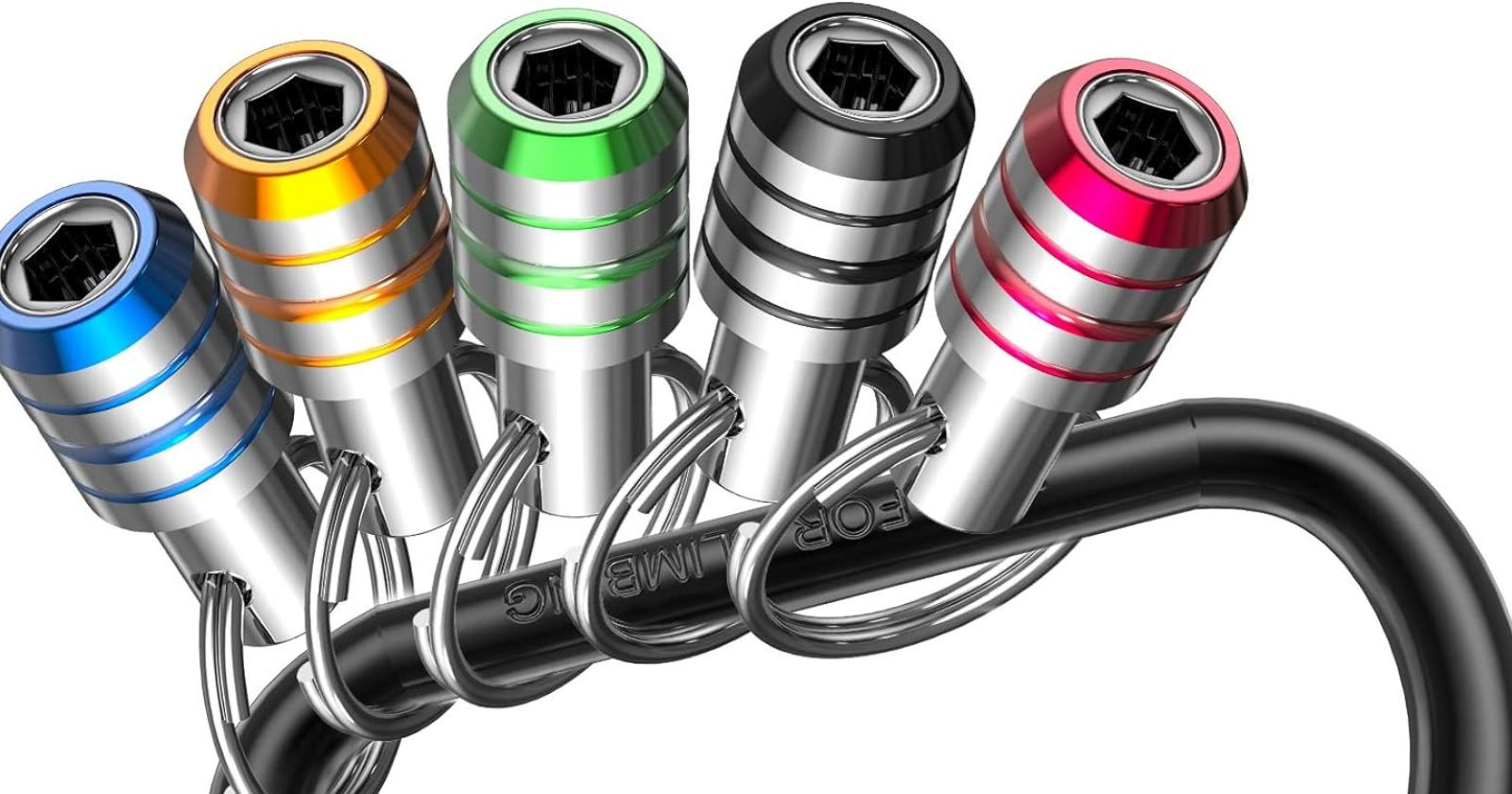
Maximize Your Impact Driver: Best Magnetic Holders To Keep Screws Secure
If you have ever tried to start a screw with an impact driver while holding a board, reaching into a tight space, or working overhead, you already know how frustrating it can be when the screw keeps falling off the bit.
That is where an impact driver magnetic holder can help.
A magnetic holder helps keep the screw positioned on the driver bit while you line everything up. It is a simple accessory, but I have found it can make repetitive fastening jobs easier, especially when you are trying to work efficiently without constantly stopping to pick up dropped screws.
In this guide, I will show you what magnetic holders actually do, how to use one correctly, what to look for when choosing one, and a few common problems that can cause screws to slip or wobble.
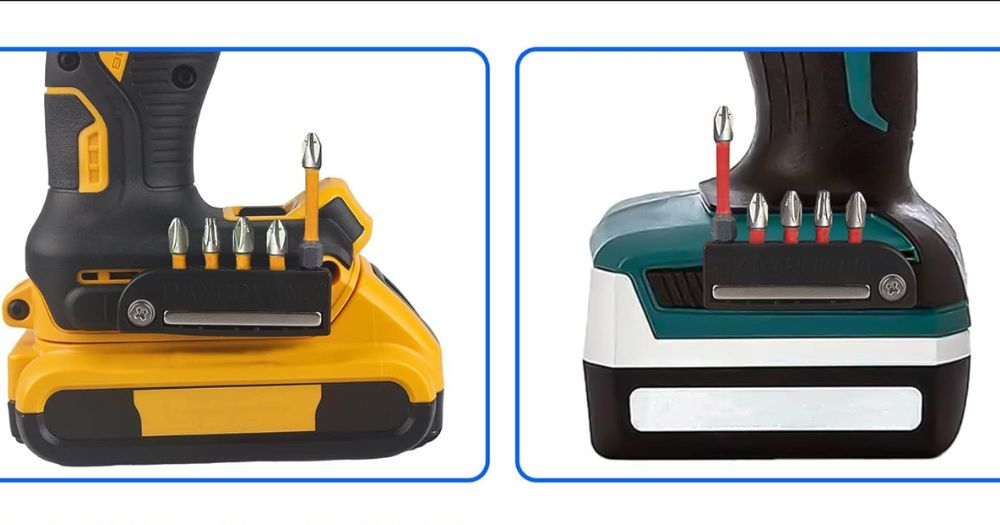
What Does An Impact Driver Magnetic Holder Do?
A magnetic holder sits between your impact driver and driver bit and uses a magnet to help keep the screw attached to the bit while you position it.
It does not automatically make a screw go in straight, and it cannot prevent every stripped screw. What it really comes down to is making that first part of the fastening job easier.
This can be especially useful when you are driving a lot of screws, working with one hand, or fastening something in a spot where dropping a screw means climbing back down to retrieve it.
Why Use A Magnetic Holder With An Impact Driver?
It Helps Keep Screws in Position
The magnet helps hold the screw against the driver bit before you begin fastening. This is handy when your other hand is holding the material or keeping something aligned.
It Can Make Repetitive Fastening Faster
Dropping one screw is not a big deal. Dropping screws over and over during a larger project gets old quickly.
Keeping the fastener attached to the bit means fewer interruptions while you work.
It Makes Starting a Screw Easier
A screw that stays seated on the bit is easier to position where you want it. You still need to keep the impact driver lined up with the screw and start slowly, but the holder gives you one less thing to fight with.
Benefits Of A Good Magnetic Bit Holder
- Fewer dropped screws: The magnet helps hold the fastener while you position the tool.
- Easier one handed setup: Helpful when your other hand is supporting the workpiece.
- Quick bit changes: Many holders accept standard 1/4 inch hex driver bits.
- Better control when starting: Keeping the screw seated makes it easier to line up before increasing speed.
- Useful for repetitive jobs: Decking, shelving, cabinets, framing projects, and general home repairs can involve a lot of screws.
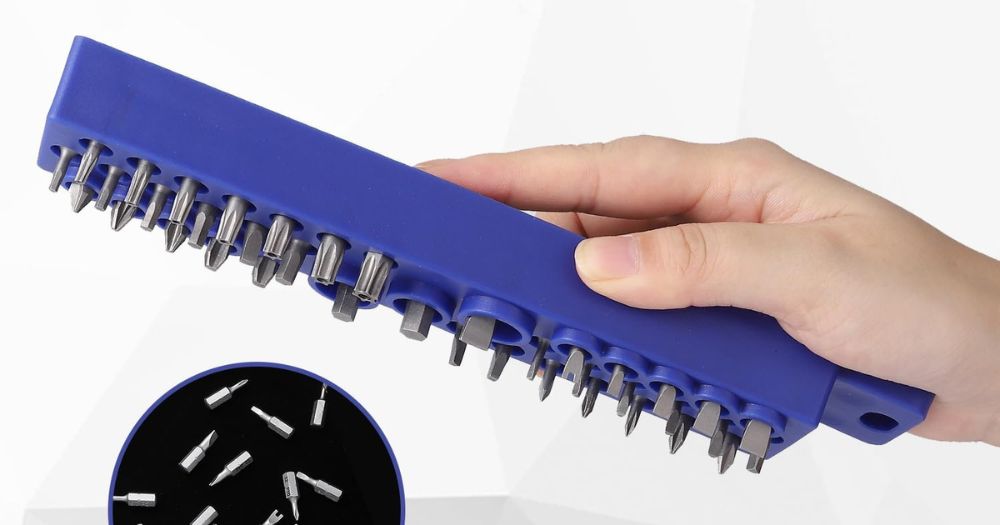
How To Use A Magnetic Holder With An Impact Driver
- Choose the correct holder and bit. Make sure the holder is designed for your impact driver and select the proper driver bit for the screw head.
- Install the holder securely. Insert the holder into the impact driver’s collet and make sure it locks into place.
- Insert the correct driver bit. Make sure the bit is fully seated in the holder.
- Place the screw on the bit. Check that the magnet holds the screw securely enough for you to position it.
- Line up the screw. Keep the impact driver as straight as possible behind the fastener.
- Start slowly. Use light trigger pressure until the screw begins entering the material cleanly.
- Increase speed as needed. Once the screw is started, continue driving it while maintaining steady forward pressure.
- Stop when the screw is seated. Do not keep driving simply because the impact driver can continue hammering.
A Quick Note About Impact Driver Torque
Most impact drivers do not use the numbered clutch settings you may be familiar with on a drill or drill driver.
Instead, you usually control the screw with trigger speed, steady pressure, and the tool’s available drive modes if your model has them.
I always recommend starting slowly when you are working with smaller screws or softer materials. Once you know how the screw and material are reacting, you can increase speed.
Best Practices For Better Results
Match the Bit to the Screw
A magnetic holder cannot fix a poorly fitting driver bit. If the bit is too small, too large, or the wrong style for the screw head, it can slip and damage the fastener.
Use an Impact Rated Holder
If you are using the accessory regularly with an impact driver, I recommend choosing a holder intended for impact driver use. Impact drivers create repeated impact forces that can be harder on bits and accessories than a standard drill.
Keep the Driver Straight
Try to keep the tool directly behind the screw instead of driving at an angle. This helps keep the bit seated in the screw head.
Do Not Over Tighten
Once the screw reaches the depth you need, stop. Continuing to drive can strip the screw head, bury the fastener too deeply, or damage the material around it.
Inspect Worn Bits
If screws suddenly start slipping more often, look at the driver bit. A worn bit can cause problems even when the magnetic holder is working perfectly.
Keep the Holder Clean
Metal shavings and jobsite debris can collect around a magnet. Wipe the holder clean and make sure the bit can still seat properly.
Common Magnetic Holder Problems
The Screw Keeps Falling Off
First check the bit fit. The screw should sit squarely on the driver bit. Then check the holder for dirt, metal debris, damage, or weak magnetic hold.
The Screw Wobbles
A little movement can happen with longer screws, but excessive wobble usually means the screw is not sitting properly on the bit or the bit does not fit the screw head well.
The Bit Slips Out of the Screw
This is often caused by a worn bit, the wrong bit size, driving at an angle, or not applying enough straight forward pressure.
The Screw Starts Crooked
Slow down at the beginning. A magnet holds the screw, but it does not automatically keep the screw square to the material. Position it carefully before increasing speed.
The Holder Feels Loose
Stop using the tool and check that the holder is fully seated and locked into the impact driver’s collet. If the holder itself is damaged or badly worn, replace it.
Safety Tips When Using A Magnetic Bit Holder
- Wear appropriate eye protection when driving screws.
- Keep your fingers away from the bit and screw once the tool begins turning.
- Make sure the holder and bit are fully seated before pulling the trigger.
- Replace cracked, bent, or badly worn accessories.
- Use the correct fastener and driver bit for the material you are working with.
Watch: Using Magnetic Holders With An Impact Driver
This video gives you another look at magnetic holders and how they can help keep screws secure while using an impact driver.
Magnetic Holder Options To Compare
There are several styles of magnetic holders and screw retention accessories available. Before buying one, check that it works with your impact driver, driver bits, and the types of fasteners you normally use.
Affiliate disclosure: This section contains affiliate links. If you purchase through one of these links, I may earn a commission at no additional cost to you.
Makita Impact Gold Ultra Magnetic Holder
The Makita option in my original guide uses a magnetic holder design intended to help keep the screw attached to the bit while you position it.
Check the Makita Impact Gold Ultra Magnetic Holder on Amazon
DEWALT Magnetic Screw Lock Sleeve
The DEWALT option uses a screw retention sleeve style rather than relying only on the magnetic tip. This type of accessory can be useful when keeping the fastener supported is the main goal.
Check the DEWALT Magnetic Screw Lock Sleeve on Amazon
Bosch Titanium Magnetic Holder
The Bosch holder included in the original article is another compact option to compare. Check the current listing carefully for bit size and impact driver compatibility before buying.
Check the Bosch Magnetic Holder on Amazon
Milwaukee Shockwave Magnetic Bit Holder
The Milwaukee option is part of the Shockwave accessory line and gives you another magnetic bit holder style to compare for everyday fastening work.
Check the Milwaukee Shockwave Magnetic Bit Holder on Amazon
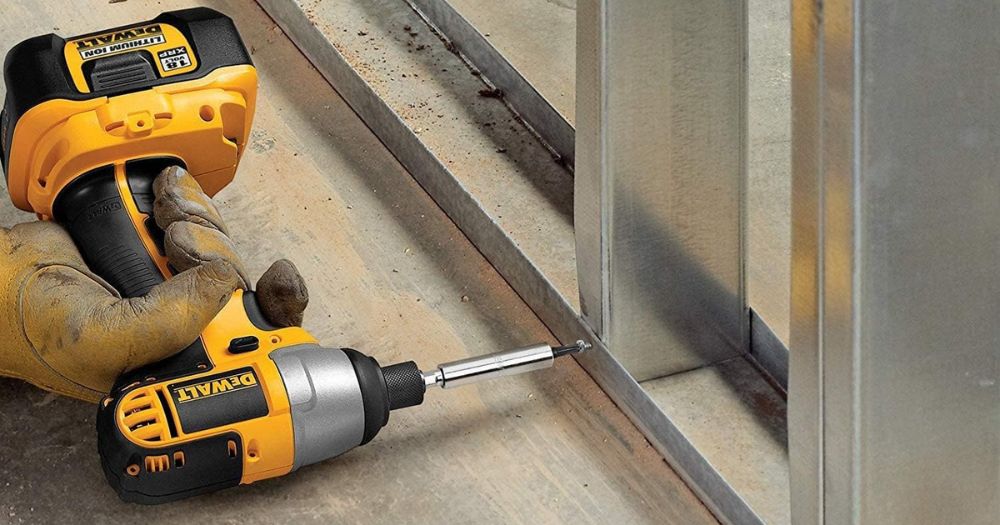
What To Look For When Choosing A Magnetic Holder
- Impact driver compatibility: Look for a holder designed to handle repeated impact use.
- Correct shank size: Most impact drivers use a 1/4 inch hex collet, but check your tool before buying.
- Strong screw retention: The magnet or sleeve should hold the screw well enough for positioning without making normal bit changes difficult.
- Useful length: A longer holder may improve reach, while a shorter holder can fit better in tighter spaces.
- Easy bit changes: You should be able to remove and replace bits without fighting the holder.
FAQs About Magnetic Holders
Can You Use a Magnetic Bit Holder in an Impact Driver?
Yes, as long as the holder is compatible with your impact driver’s collet and intended to handle impact use. Most common impact drivers use a 1/4 inch hex connection.
Will a Magnetic Holder Stop Screws From Stripping?
Not by itself. A magnetic holder helps keep the screw on the bit, but stripped screws are more often caused by using the wrong bit, a worn bit, poor alignment, or continuing to drive after the screw is seated.
Do I Need an Impact Rated Magnetic Holder?
If you plan to use the holder with an impact driver regularly, I recommend an impact rated option. It is designed for the repeated forces produced by the tool.
Are Impact Driver Magnetic Holders Worth It?
For many everyday fastening jobs, yes.
A magnetic holder is not going to replace good driving technique, and it will not solve every stripped screw or crooked fastener. What it can do is solve one small problem that becomes frustrating very quickly: screws constantly falling off the bit before you can start them.
I especially like the idea for projects where you are driving a lot of screws or trying to support your material at the same time.
The key is using the correct holder and driver bit, keeping the impact driver straight, and starting the screw slowly before increasing speed. Those simple habits can make fastening jobs feel much smoother.

Willie Drew
I’m Willie Drew, and I’m here to help you turn your home into a space you’re proud to show off using simple projects, smart tools, and realistic budgets.