Small Living Room Paint Ideas For Easy Touch Ups

Small Living Room Paint Ideas For Easy Touch Ups

Choosing paint for a tiny space can feel weirdly high stakes because one “wrong” color can make the whole room feel cramped.

I pulled together these Small Living Room Paint Ideas to help you brighten your cozy space without spending a fortune or overthinking it.

You don’t need loud, expensive options to get a fresh, pulled-together look.

A few smart color choices can make your living room feel lighter, calmer, and more you.

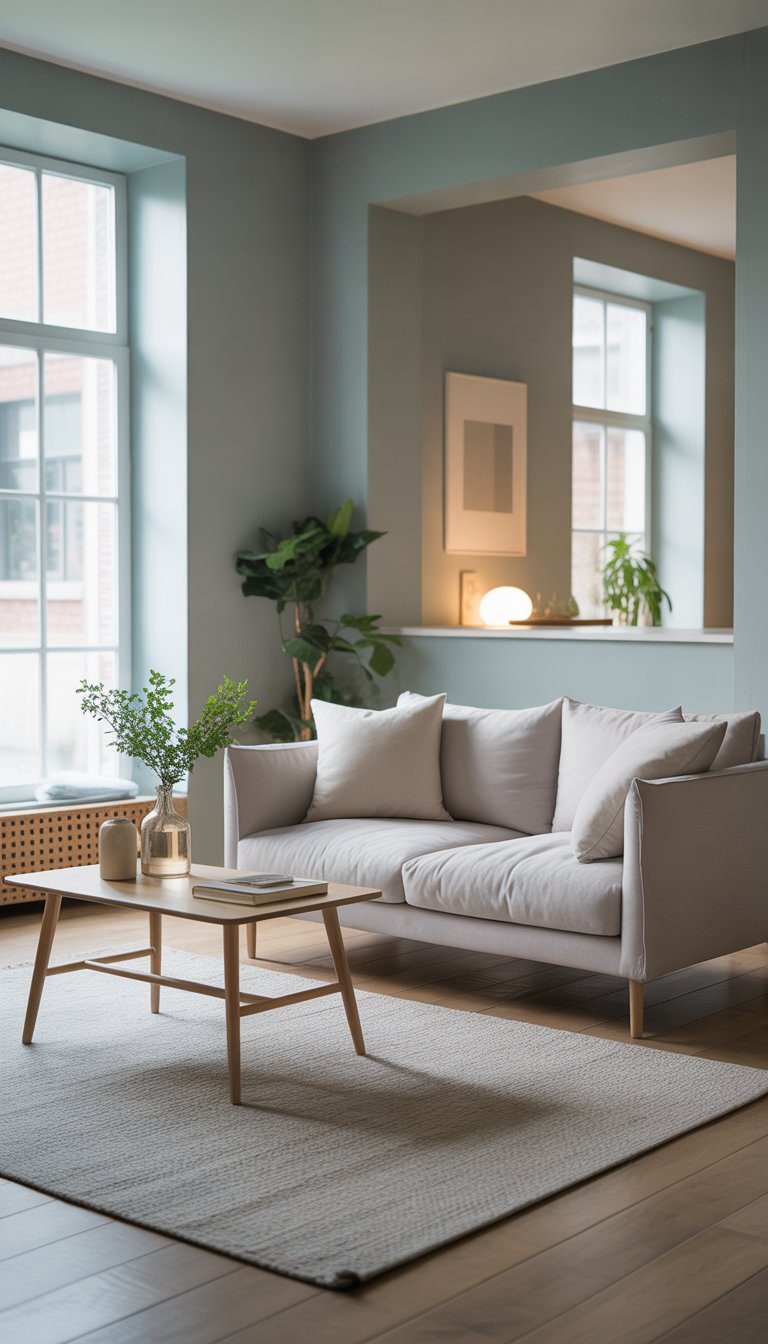
Soft Dove Gray Calmness

A small living room with soft gray walls, a light gray sofa, wooden coffee table, plants, and natural light coming through large windows.

Soft dove gray is a great choice if you want your small living room to feel calm and open. This gentle shade reflects light well, making the space seem larger without feeling cold or empty. It’s perfect when you want a peaceful spot to relax after a busy day.

You can easily pair soft dove gray with warm wood tones or creamy whites to keep your room cozy. Add a few textured pillows or a soft rug, and you’ll create a welcoming space that invites you to stay awhile. The color is neutral enough to match many styles, so you don’t have to worry about clashing with your furniture.

Plus, soft dove gray is timeless, so your walls won’t look dated in a year or two. It works well whether you prefer a modern, farmhouse, or minimalist look. A little tip: try testing a small patch on your wall first to see how the light in your room changes the shade throughout the day. It might just become your new favorite color.

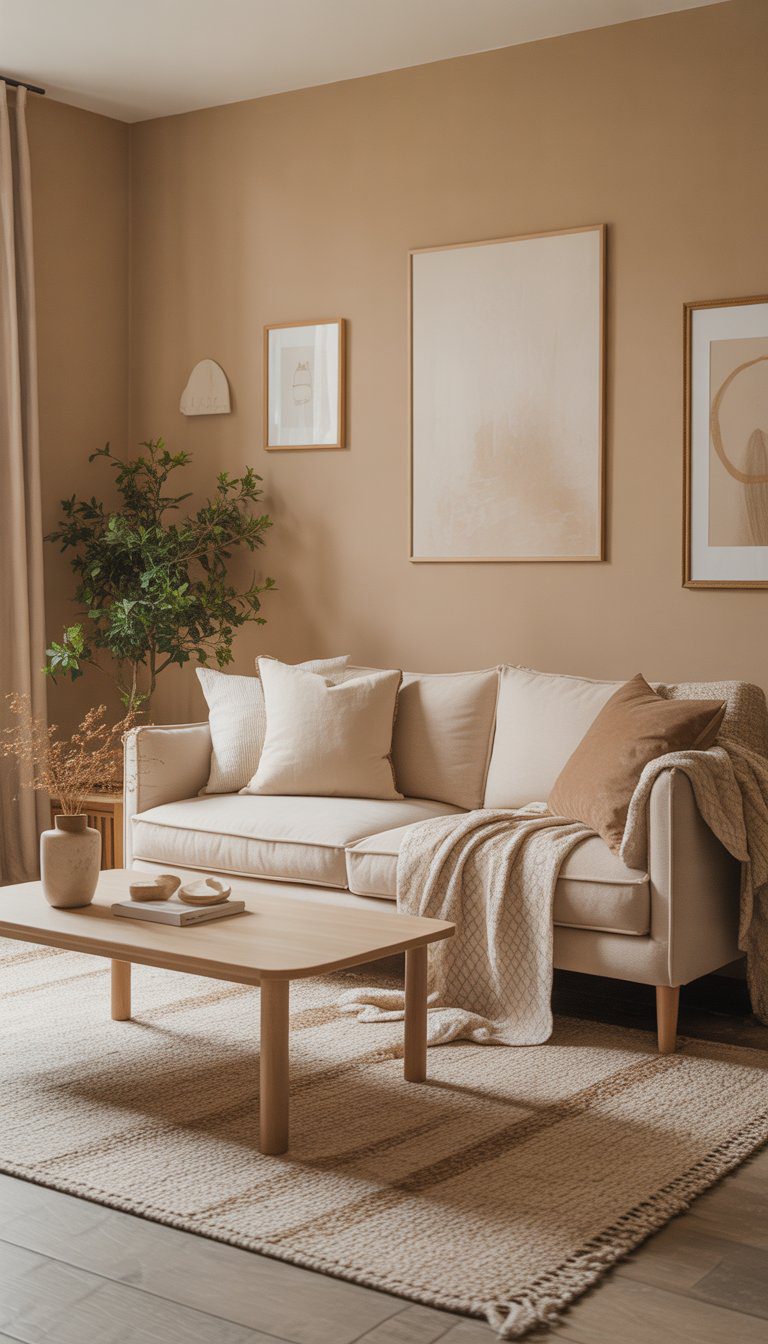
Warm Beige Creamy Undertones

A small living room with warm beige walls, a beige sofa, coffee table, plants, and cozy decor.

If you want your small living room to feel inviting without overwhelming your space, warm beige with creamy undertones is a great choice. This kind of beige adds a soft, sun-kissed glow that feels cozy but still light enough to keep the room from feeling cramped.

Creamy beige walls work well with natural wood accents or soft textiles like linen and cotton. They create a calm, grounded atmosphere that’s easy to build on with simple decor. Plus, these shades mix nicely with other warm tones like soft yellows or muted oranges if you want a pop of color.

One of the best things about warm beige is how flexible it is. It plays well with almost any style, whether you lean farmhouse, modern, or something in between. You don’t have to go bold to make a statement; the right warm beige can quietly pull everything together without needing a big budget or major changes.

Try picking a shade that leans more creamy than yellow for extra softness. It’s like giving your room a gentle hug a touch of warmth that makes coming home feel just right.

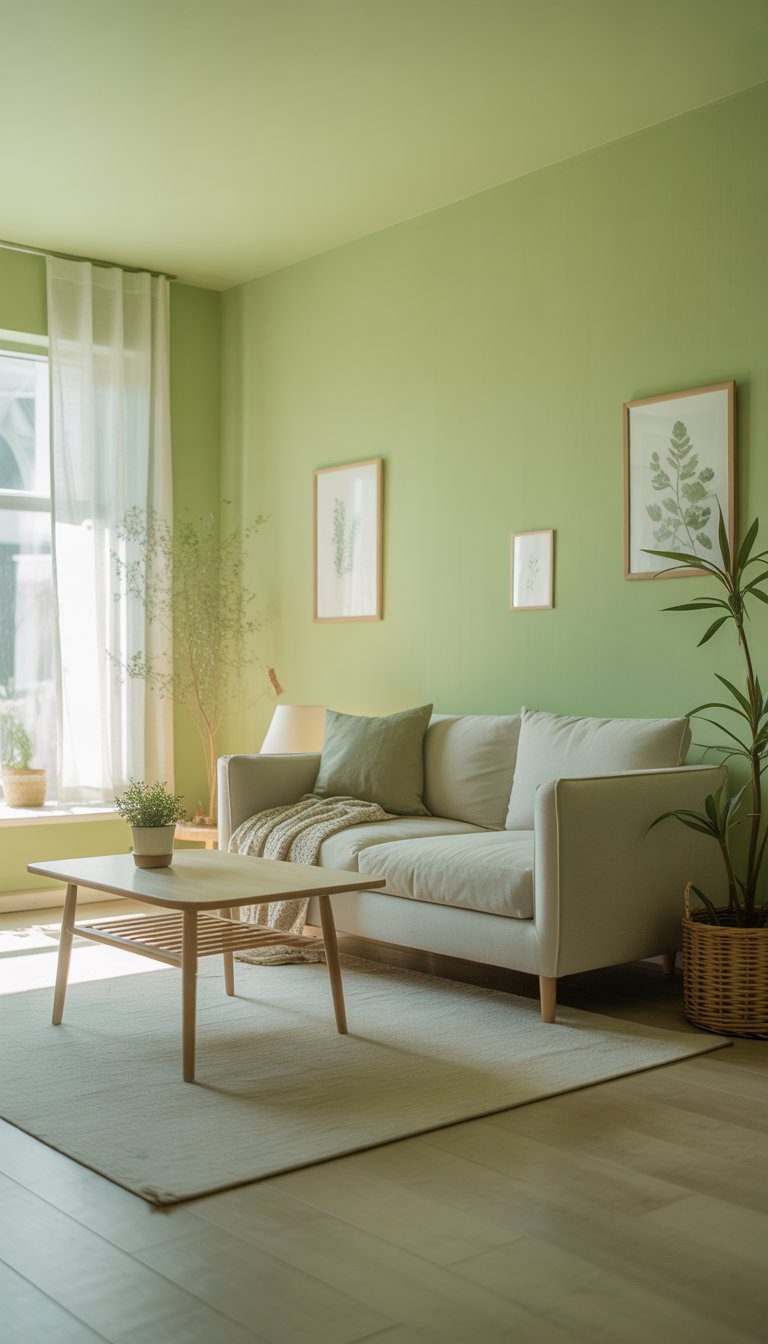
Pale Sage Green Nature Feel

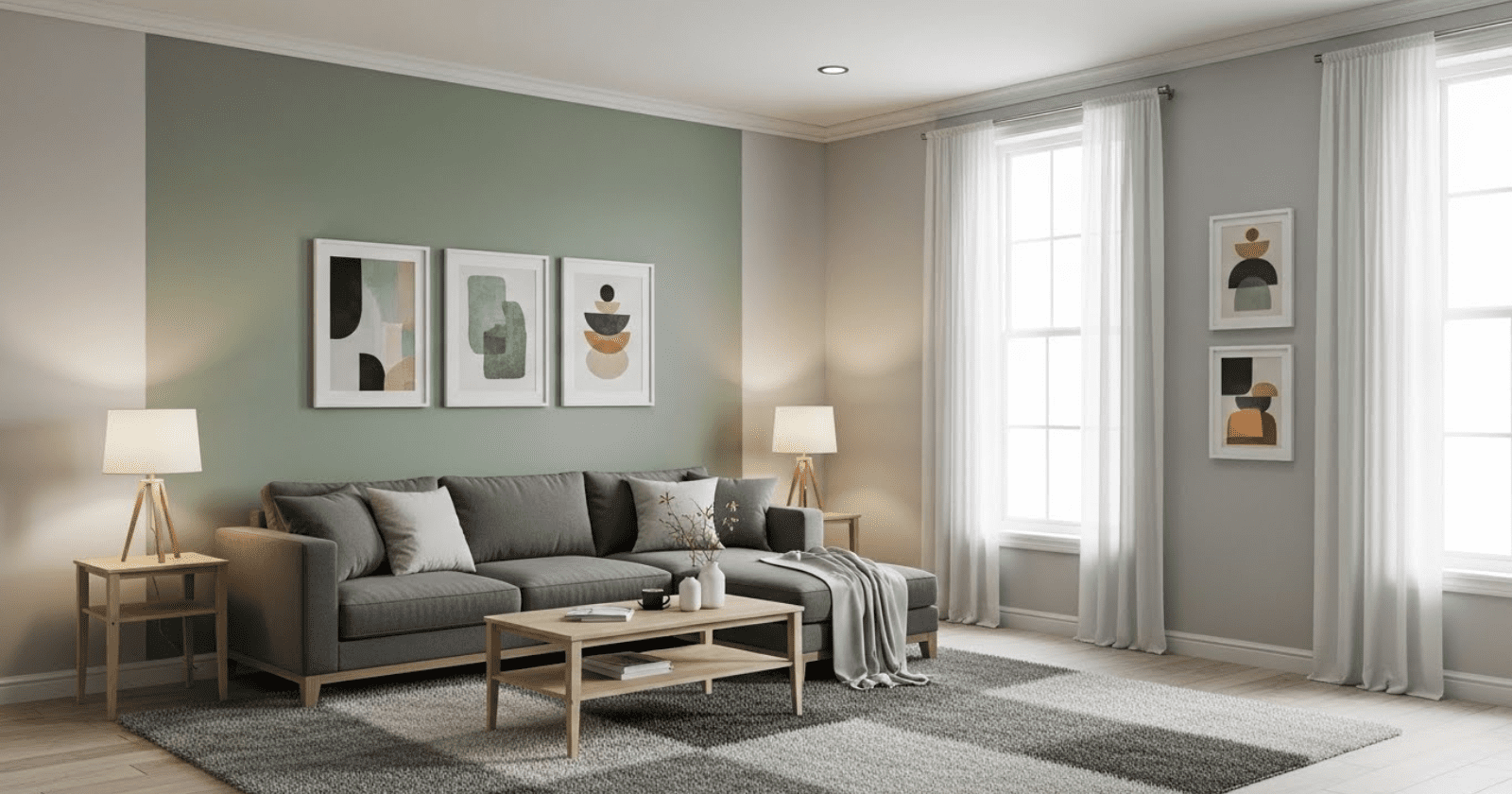
A small living room painted pale sage green with a gray sofa, wooden coffee table, plants, and natural light from a window.

If you want your small living room to feel calm and fresh, pale sage green is a smart choice. This soft, muted green has a way of making a space feel connected to nature without being too bold or overpowering.

Using pale sage green on your walls can brighten the room while adding warmth. It’s a color that works well with both cool and warm tones, so you can mix and match furniture and decor easily. Think light woods, white accents, or even cozy textiles in beige.

Plus, pale sage green creates a peaceful vibe. It’s like bringing a garden inside your home—a gentle reminder of calm nature, which is perfect after a busy day. You don’t need to paint every wall; even one accent wall can give your living room a fresh lift.

This color fits all styles, from modern to rustic. It’s affordable to work with too, because you can find plenty of budget-friendly decor and paint options that look great. Just a few thoughtful choices can make your small living room feel like a cozy, inviting space.

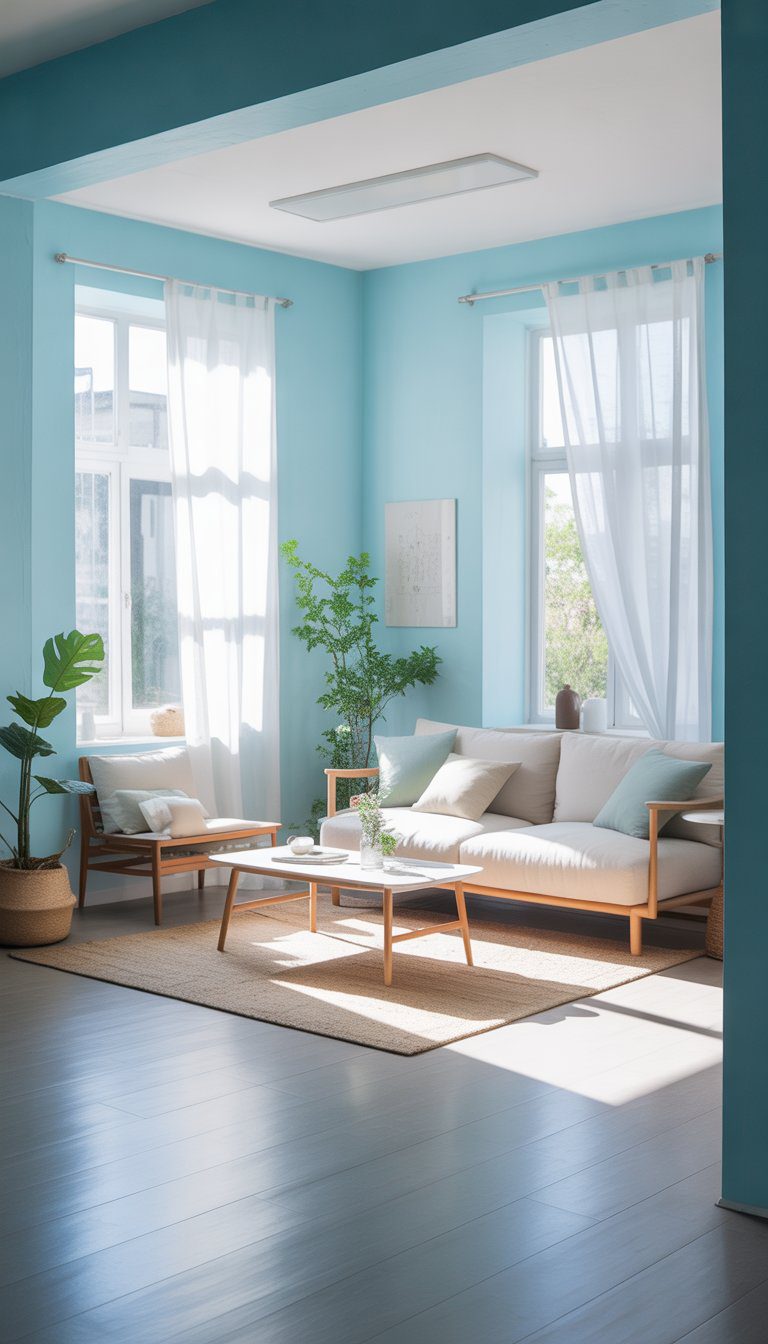
Light Sky Blue Breeze

A small living room painted light blue with a sofa, coffee table, plants, and large windows letting in natural light.

Light sky blue is a great choice when you want your small living room to feel fresh and open. This soft color reminds you of clear skies and calm water. It has a gentle, breezy vibe that makes a room feel inviting without being overwhelming.

Because light sky blue reflects natural light, it can brighten your space. Even rooms with less sunlight can appear airier and more spacious with this shade. It works well with simple furniture and natural textures, like light wood or linen.

You don’t need to go bold or bright here. A calm, subtle sky blue adds just enough color to refresh your walls without making the room feel cold. Pair it with warm accents, like soft beige or warm white, to keep the room cozy and balanced.

If you want to give your living room a quick facelift, this color can be an inexpensive way to lift spirits and add calm. Plus, it’s flexible – you can change your décor over time without worrying about clashing with your wall color. It’s like a breath of fresh air for your small space.

Classic Off White Timeless Walls

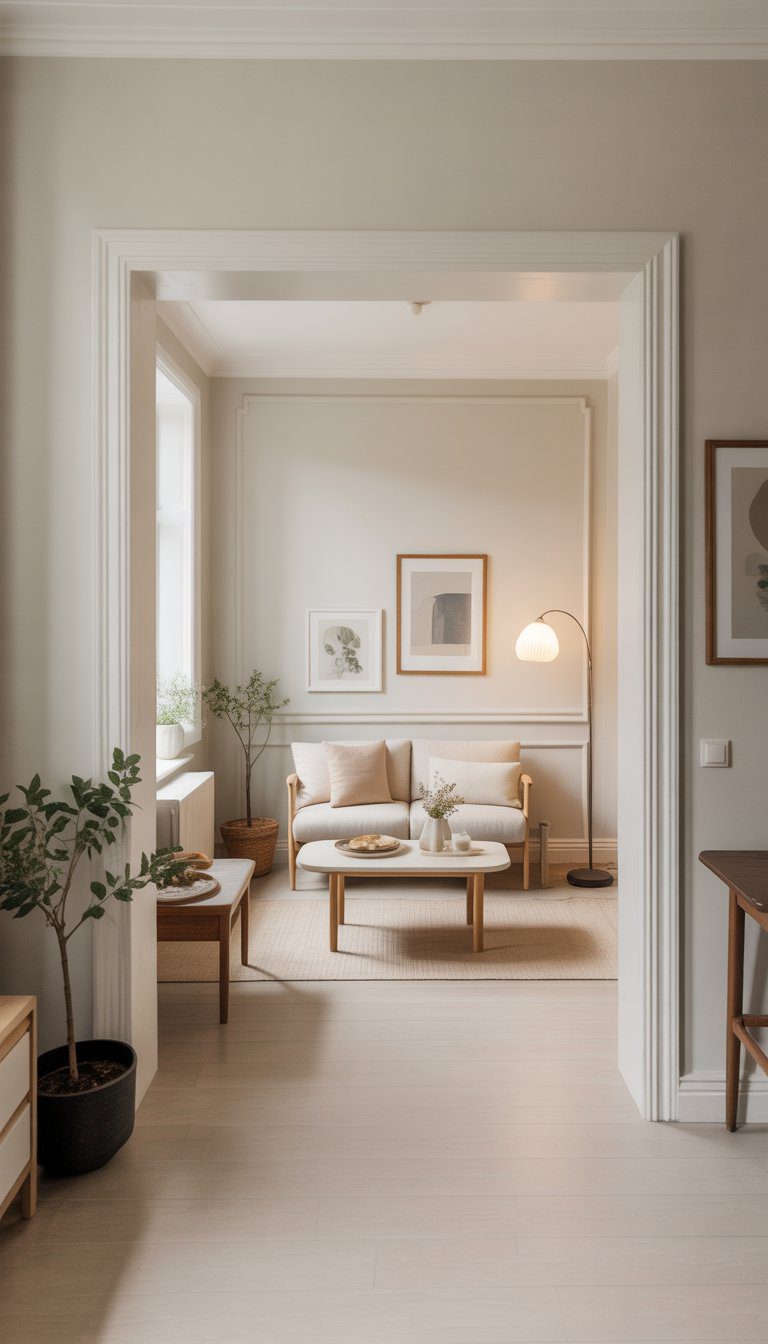
A small living room with off-white walls, natural light, a compact sofa, coffee table, potted plant, and floor lamp.

If you want your small living room to feel open and inviting, off white is a smart choice. It’s softer than pure white, so it gives you that fresh, clean look without feeling cold or harsh. Think of it as a warm hug for your walls bright but cozy at the same time.

Off-white also plays nicely with almost any style. Whether you lean farmhouse, modern, or something in between, it creates a calm, neutral backdrop that lets your furniture and decor shine. Plus, it makes your space feel larger by reflecting more light, which is exactly what you want in a smaller room.

The best part? Off-white paint is timeless. You won’t feel the need to repaint every season to keep up with trends. Just add some texture or pops of color through pillows, rugs, or art, and you’ve got a welcoming space that feels polished but never overdone. It’s a simple way to brighten your room without breaking the bank or your head over complicated choices.

Muted Blush Pink Warmth

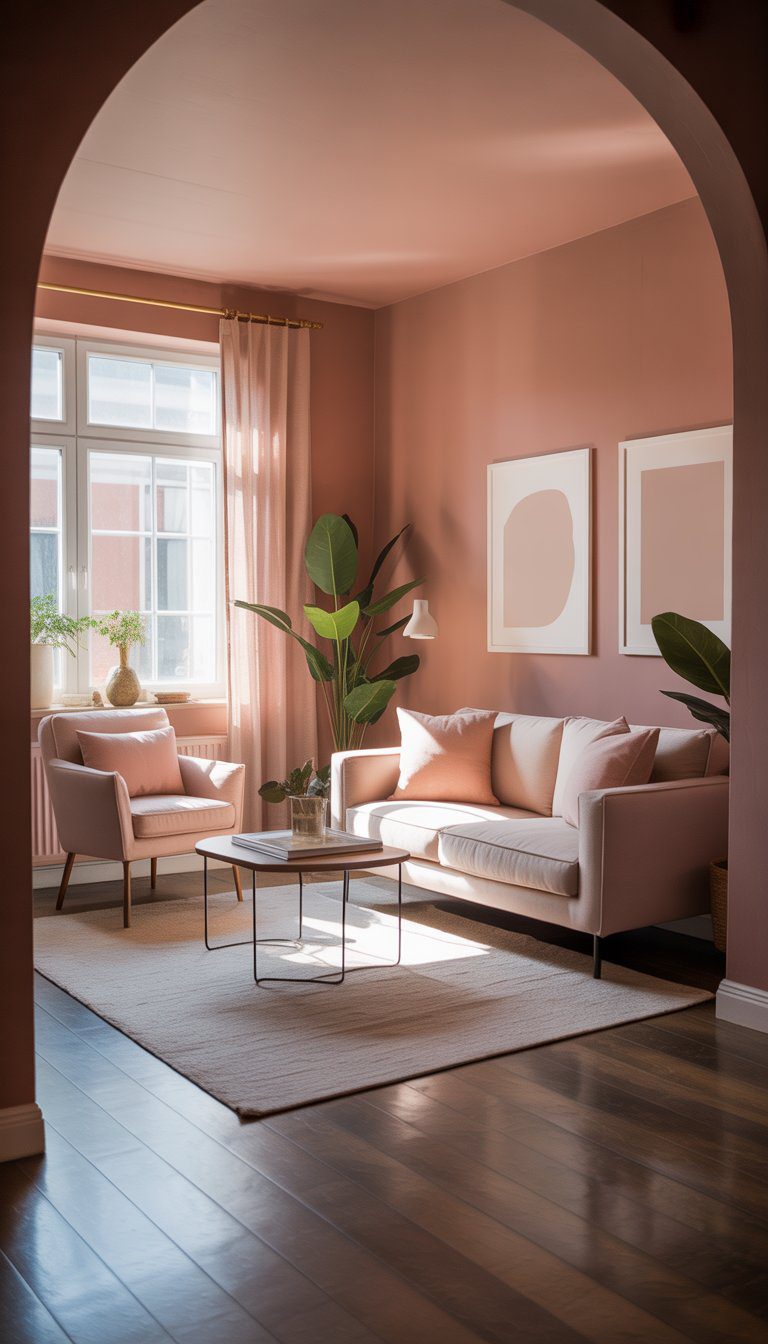
A small living room with muted blush pink walls, a sofa, armchairs, a coffee table, and natural light coming through a window.

If you want to add warmth without going too bold, muted blush pink is a fantastic choice. It’s soft and calm, creating a gentle glow that makes your small living room feel cozy and fresh at the same time. This shade isn’t about bright or flashy pink—it’s more like a quiet hug for the walls.

You can use muted blush pink as your main color or just on one accent wall. It pairs beautifully with neutral tones like soft greys, whites, or beige. These colors help keep the space light and open while the blush adds a touch of charm.

Mix in some natural textures like wood or soft fabrics to balance the look. Velvet cushions or a shaggy rug can make your room feel even cozier. Plus, blush pink works well with metallic accents like gold or rose gold if you want a little sparkle without going overboard.

Think of muted blush as a subtle way to bring warmth and personality to your room. It’s stylish but still easy on your eyes, perfect when you want your space to feel inviting without too much fuss.

Sunny Butter Yellow Glow

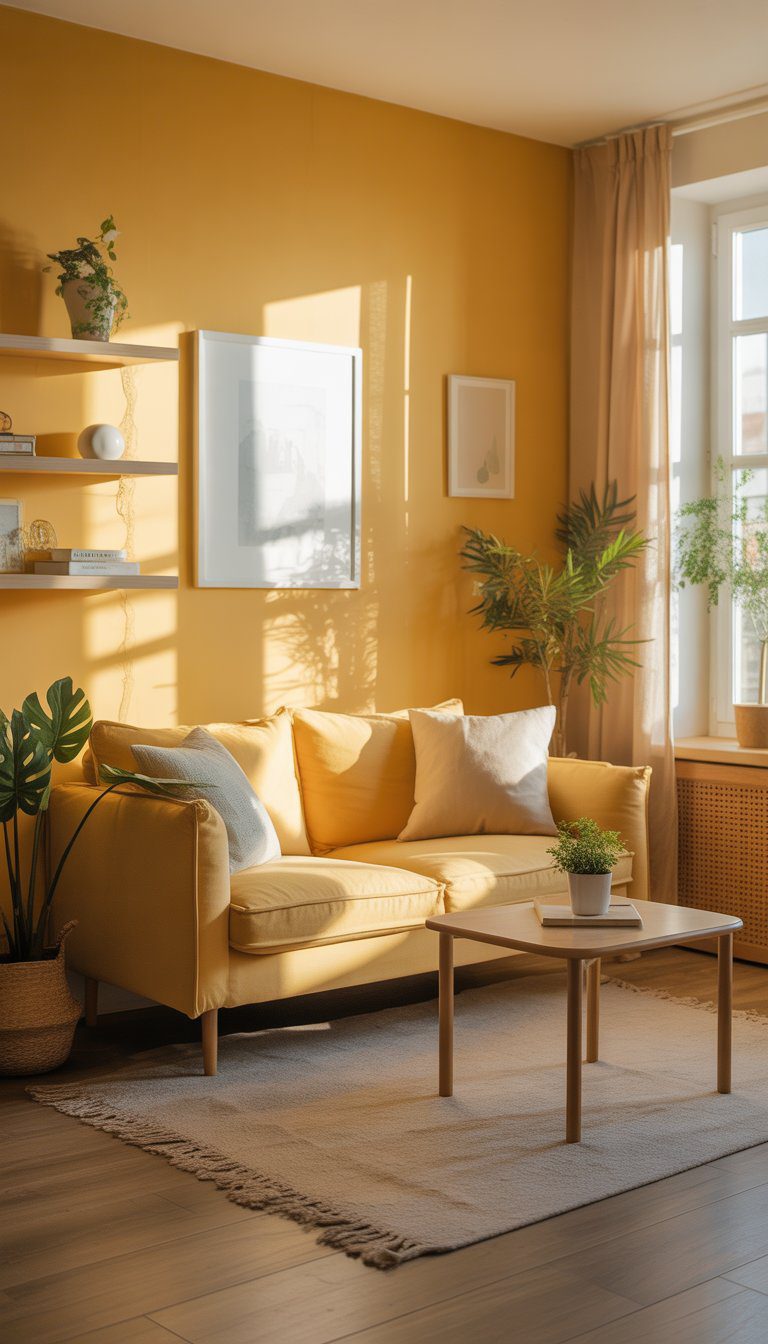
A small living room with yellow walls, natural light, a compact sofa, coffee table, plants, and simple decor.

Choosing butter yellow for your small living room is like inviting a gentle sunrise inside. This soft, warm yellow feels cozy without being overpowering. It’s not a bright lemon shade but a creamy color that brings warmth and cheer throughout the day.

Butter yellow works great if you want your space to feel inviting and fresh. It brightens corners without harshness, making even a tiny room feel open and welcoming. If your room gets good natural light, this shade will reflect it beautifully, keeping your space glowing like morning light.

Pairing butter yellow with navy or soft gray can add a calm contrast that keeps the room balanced. You don’t need to overdo it; a single accent wall or some yellow decor can go a long way. Think simple touches like butter yellow drapes or cushions to complement painted walls.

This color feels timeless and cozy. It’s perfect if you want your living room to feel lived-in but still bright and happy. Plus, it’s budget friendly a little paint and a few accents can change the whole vibe without breaking the bank.

Cool Mint Green Clean Touch

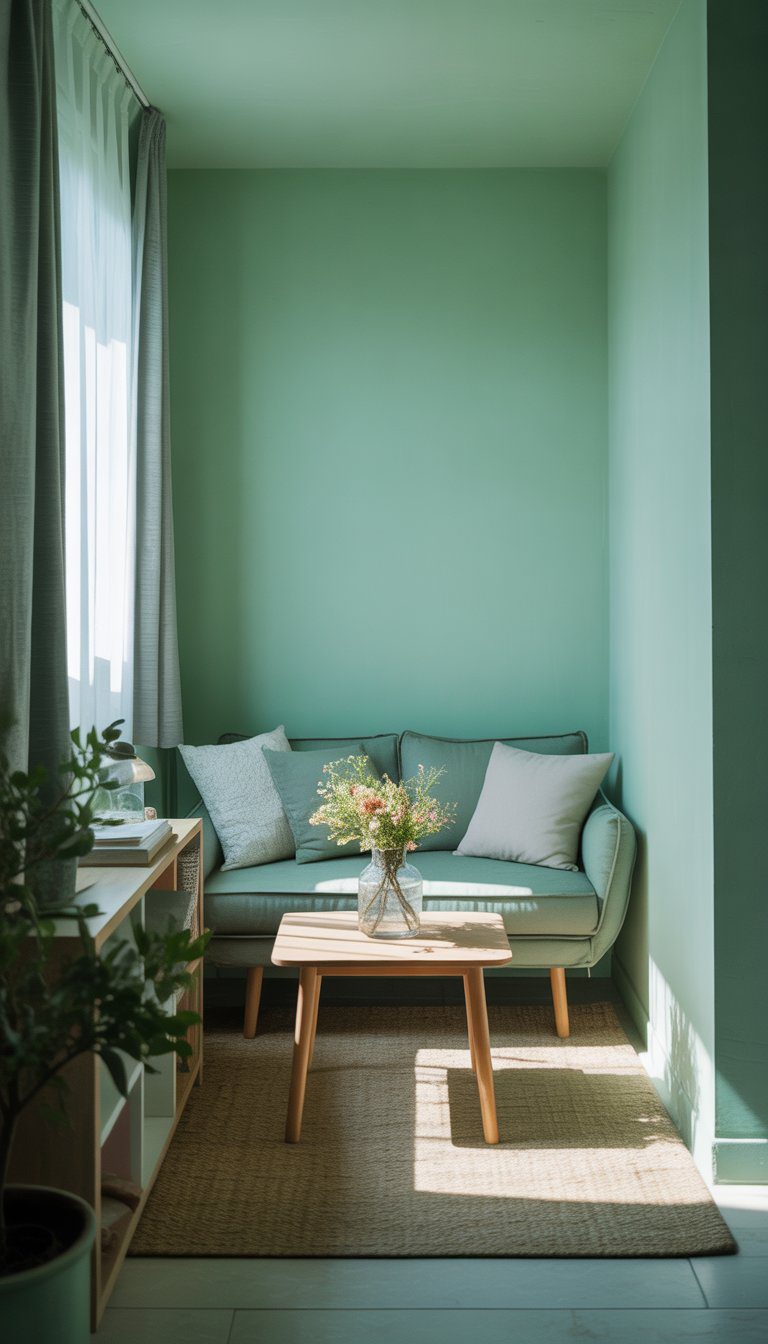
Small living room with mint green walls, a compact sofa, coffee table, and plants, illuminated by natural light.

If you want your small living room to feel fresh and light, try a cool mint green. This color is soft and calm, like a breath of fresh air. It adds a clean, inviting vibe without overpowering your space.

Mint green pairs well with lots of other colors, so you won’t have trouble mixing in your favorite furniture or decor. Think white trim or light wood accents to keep things bright and breezy. It works especially well in rooms that don’t get much natural light.

One of the perks of mint green is that it’s easy on the eyes and helps create a peaceful atmosphere. Plus, it’s a bit more interesting than plain white or beige but still subtle enough to make your room feel bigger.

You don’t need to overthink this color choice. Grab a sample, paint a small section, and see if it helps your living room feel like a fresh, cozy retreat. Sometimes, a simple splash of mint is all you need to lift the mood.

Soft Lavender Delicate Vibe

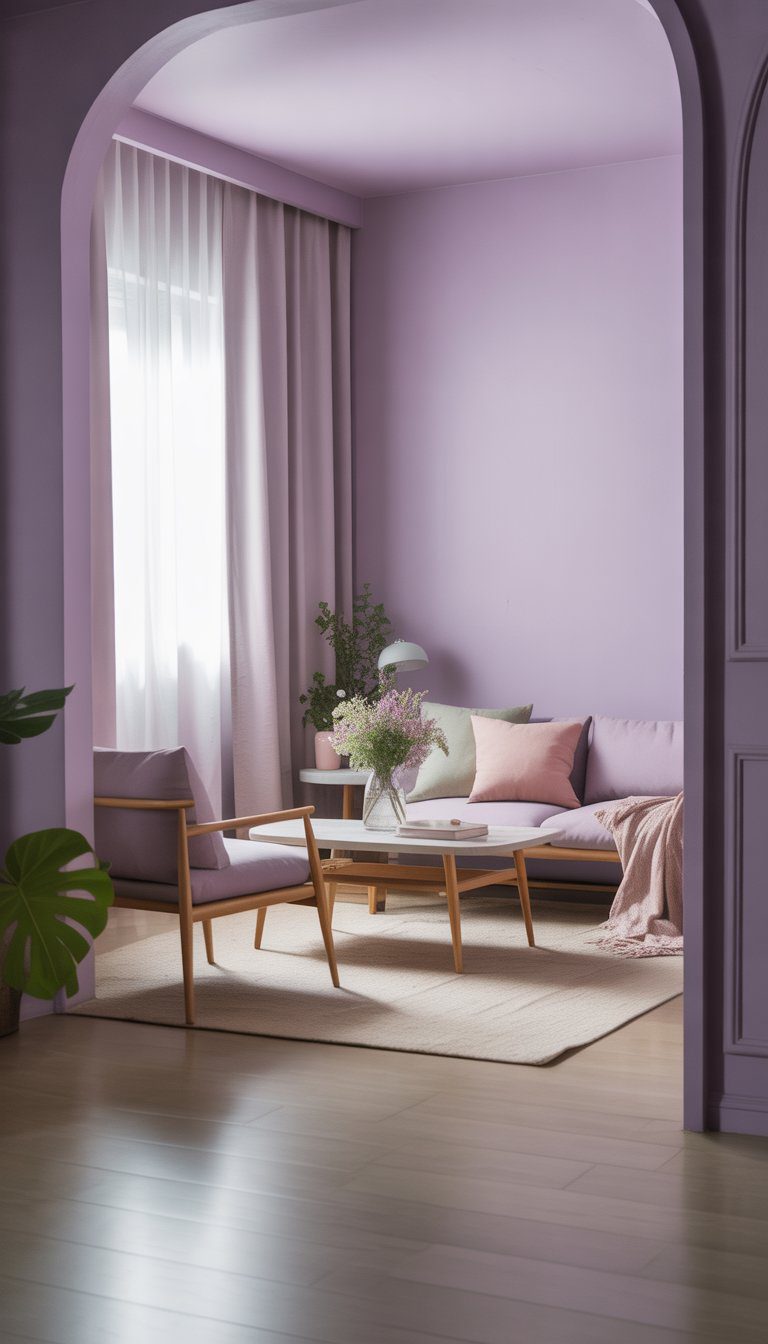
Small living room painted in soft lavender with a compact sofa, coffee table, plants, and natural light coming through sheer curtains.

Soft lavender is a great way to bring a light, gentle feel to your small living room. It’s a color that feels fresh without being too bold or overwhelming. Think of it as a soft hug for your walls calming and inviting.

When you paint your room in lavender, it can make the space seem airier and more open. It works especially well if your room doesn’t get a lot of natural light. The subtle purple tones reflect light softly, giving your living room a peaceful and elegant vibe.

You don’t need to cover every wall. Try an accent wall or even soft lavender trim to add some interest without feeling too much. Pair it with light neutrals or soft whites to keep the calm mood going.

Adding touches like lavender throw pillows or a cozy rug can tie the look together. It’s an easy and budget friendly way to make your small living room feel cozy, charming, and gently refreshed.

Warm Taupe Gray Hint

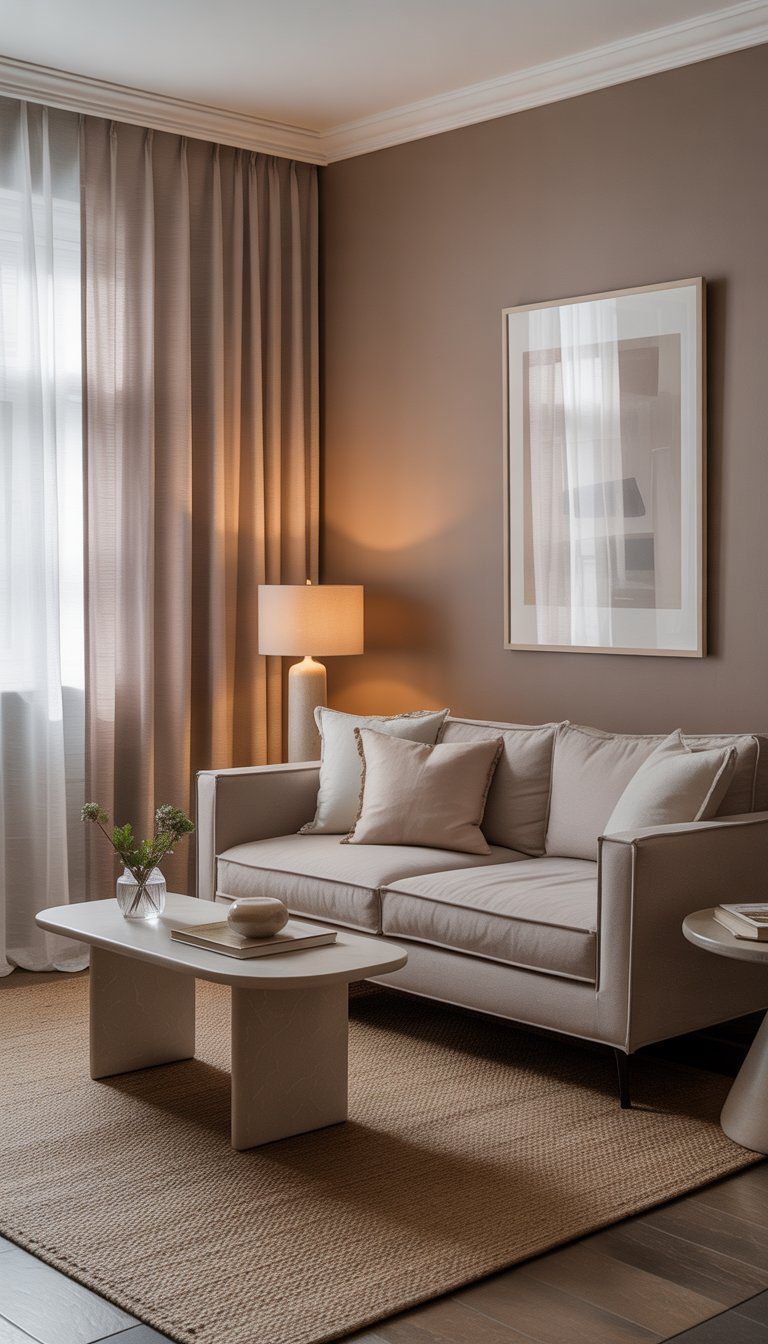
A small living room with a warm taupe and gray painted wall, a sofa, coffee table, and soft natural light coming through a window.

If you want a color that feels calm but still has a touch of style, warm taupe with a hint of gray is a great pick. It’s not too beige, not too gray just a gentle middle ground that makes your small living room feel cozy and balanced.

This shade adds warmth without overwhelming your space. Think of it as a soft hug for your walls, creating a neutral backdrop that lets your furniture and accessories shine. Plus, that slight gray touch keeps the room feeling fresh and modern.

One of the best things about warm taupe is how easy it is to pair with other colors. You can bring in soft whites, rich browns, or even bold blues and greens for a pop of personality. It works well with natural wood and metal accents too, giving you lots of options to style your room without needing to repaint later.

Choosing this color helps your living room feel inviting while staying elegant. It’s a practical choice that offers plenty of charm, whether you’re aiming for a farmhouse vibe or something a bit more polished. All you need are a few key pieces to make the space yours.

Bright White Warm Undertones

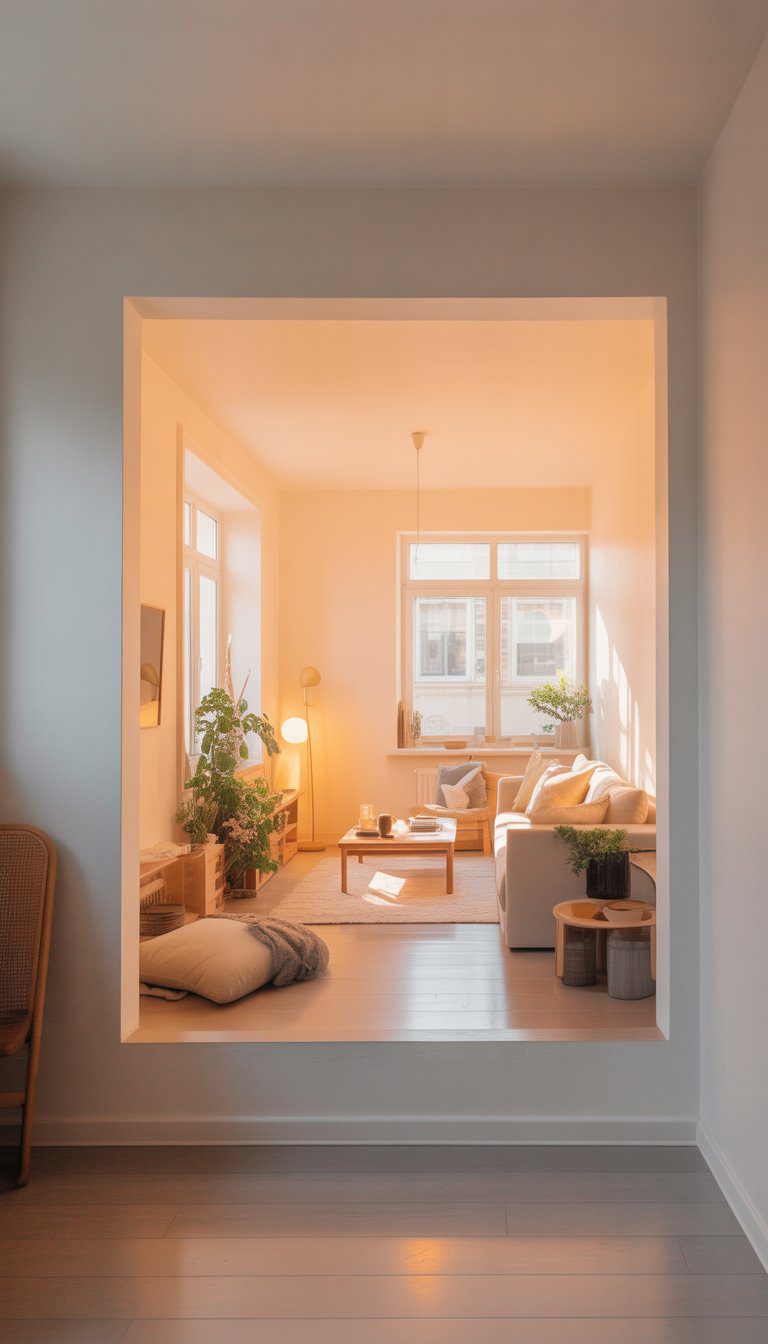
A small living room with warm white walls, a compact sofa, coffee table, plants, and sunlight streaming through large windows.

Choosing a bright white paint with warm undertones can work wonders in a small living room. It helps reflect natural light, making the space feel open and airy without feeling cold or sterile. Think of it as a fresh, clean backdrop that still feels cozy.

Warm undertones add a subtle glow to your walls, which softens the brightness. This means your room won’t look washed out, but instead, it will have a gentle warmth that invites you to relax. It’s great if your living room doesn’t get a ton of sunlight, as it helps bounce light around the room.

This kind of white pairs well with almost any furniture style, from rustic farmhouse to modern minimalism. Because it’s bright, it makes your space feel bigger, and the warmth keeps things from feeling too sharp or clinical.

Test samples during different times of the day, too you’ll see how the undertones come alive with the changing light. It’s a small change that can make a big difference in how your room feels.

Rich Navy Accent Wall

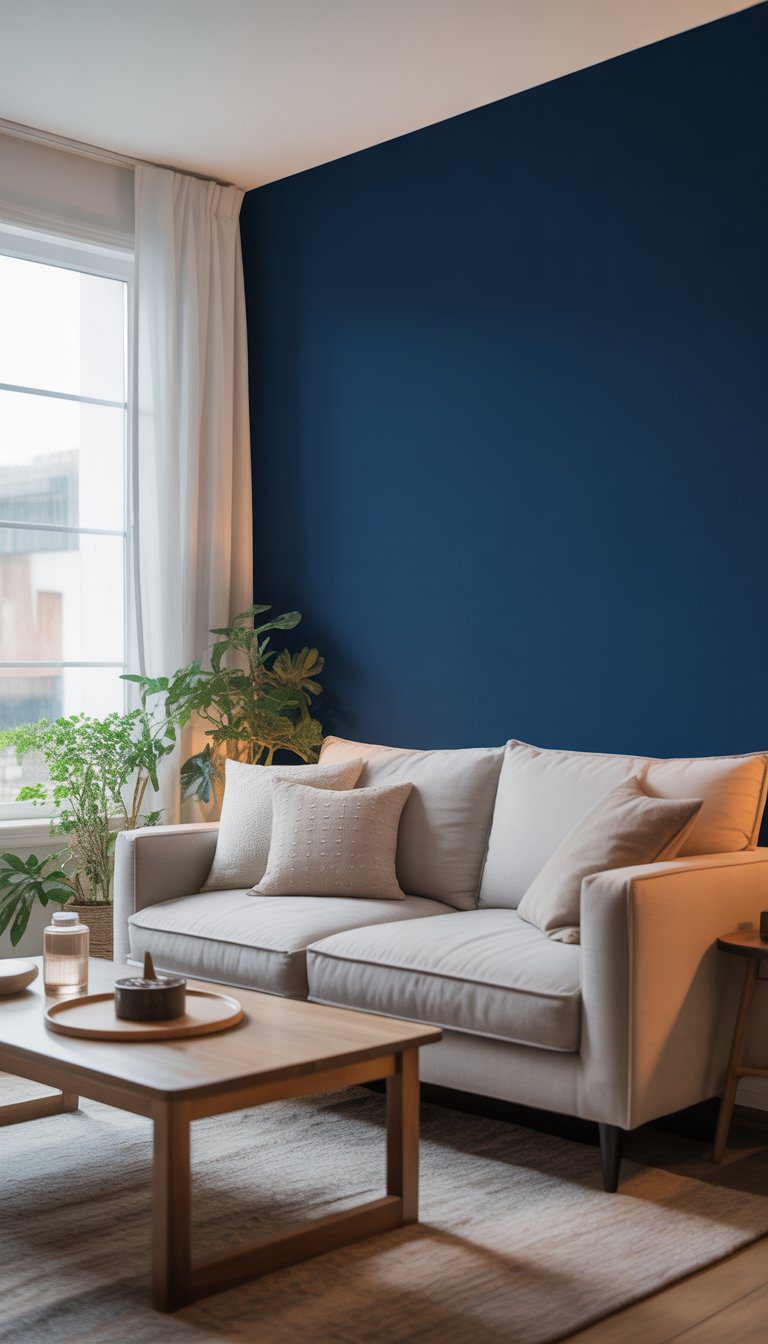
Small living room with a navy blue accent wall, a gray sofa, wooden coffee table, plants, and natural light coming through a window.

If you want to add a splash of color without making your small living room feel cramped, a rich navy accent wall is a great choice. Navy is deep and calming, so it adds depth and character without overpowering the space. It’s like giving your room a cozy hug that still looks stylish.

Try painting just one wall in navy while keeping the other walls light or neutral. This contrast helps the room feel balanced and open. Plus, navy pairs beautifully with white trim or light furniture, so your space stays bright and inviting.

You can also use navy as a backdrop for your favorite art or decor items. It makes those pieces pop without needing a lot of extras. A navy accent wall makes a statement, but it’s a quiet kind of bold perfect for small rooms where you want style without clutter.

And here’s a little tip: mix in natural textures like woven rugs or wooden furniture. This keeps your space feeling warm and grounded. Navy isn’t just for big rooms; it’s a smart and cozy choice for your small living area too.

FAQ’s About My Small Living Room Paint Ideas

What Paint Colors Work Best In A Small Living Room?

The best small living room color ideas usually come down to light, soft shades that reflect whatever natural light you have. If you’re searching painting ideas living room wall colors, start with easy neutrals or gentle colors that feel airy, then layer in texture for that finished look.

Can I Still Use Darker Paint In A Small Living Room?

Yes darker colors can be gorgeous when you use them intentionally for living room inspiration, like a single accent wall or built ins. Pairing a deeper shade with lighter surrounding walls keeps the space from feeling closed in while still giving you that designer feel.

How Do I Choose A Paint Color That Matches My Decor Long Term?

If you want flexible home painting ideas living room style, pick a color that plays well with your existing furniture and the tones you naturally repeat (wood, black metal, warm whites). Then finish the room with simple home decor ideas pillows, art, and curtains so the paint supports your style instead of fighting it.

Choosing The Right Paint Color For Small Spaces

Picking the perfect paint color for your small living room can feel tricky, but it really boils down to understanding how light works in your space and how colors affect both mood and size. Getting these right can transform your room without needing a full remodel.

Working With Natural And Artificial Light

Light changes everything. If your small room gets lots of natural sunlight, you have more freedom to try darker or richer paint colors. These tones can add cozy depth without making the room feel cramped. But if natural light is limited, lighter shades like soft pastels or warm neutrals will bounce brightness around, helping the space feel open.

Artificial lighting also matters. Warm bulbs can soften harsh colors, while cool white lights make blues and grays pop. Consider how your lamps or ceiling lights hit the walls at different times.

A quick tip: test paint samples at various times of day and with your lights on before committing. This helps you see how color truly looks in your own home.

How Color Affects Mood And Perceived Room Size

Colors don’t just decorate—they set the vibe. Light colors like cream, pale gray, or soft blues tend to feel airy and calm, making your small room seem larger and more peaceful. They reduce visual clutter by fading quietly into the background.

Darker colors can trick your eye by pushing walls back, creating a sense of depth. Think deep green or navy on a single accent wall rather than all four walls. This adds some drama without overwhelming the space.

Here’s a quick color guide:

EffectColor ExamplesUse Tips
Bright & ExpandingWhite, light beige, soft blueUse on large walls, ceilings
Cozy & InvitingWarm taupe, muted goldPair with good lighting
Depth & FocusNavy, charcoal, forest greenAccent walls or small sections

Remember, the best color fits both the size and feeling you want in your room.

Making A Statement With Accent Walls

An accent wall is your chance to add a pop of personality without repainting the whole room. Knowing which wall to choose and how to match colors with your decor can make your living room feel bigger and more welcoming.

Where To Place An Accent Wall

Pick a wall that naturally draws attention. This is often the wall behind your sofa or the one facing the main entrance. These spots create an instant focal point and set the tone for the room. Avoid walls blocked by large windows or doors, since the design impact will be lost.

Walls with architectural features like a fireplace or built-in shelves are also great candidates. Painting or adding texture there highlights those details without overwhelming the space. For very small rooms, a short wall can work too—it gives color without shrinking the room.

Coordinating Accent Colors With Decor

Choose an accent color that complements your existing furniture and accessories. Soft grays, powder blues, or light sage can make small rooms feel calm and airy. If you want energy, try a bold jewel tone like deep teal or olive green, but balance it with neutral furniture.

Think about texture as well. Matte paint feels cozy, while a satin finish adds a bit of shine. Wallpaper or textured panels can add pattern and depth without heavy colors. Keep fabrics and rugs in similar tones or subtle patterns to avoid clashing with your accent wall. You want the wall to pop, but not fight with your whole room.