

How To Arrange Living Room Furniture With Simple Layout Ideas
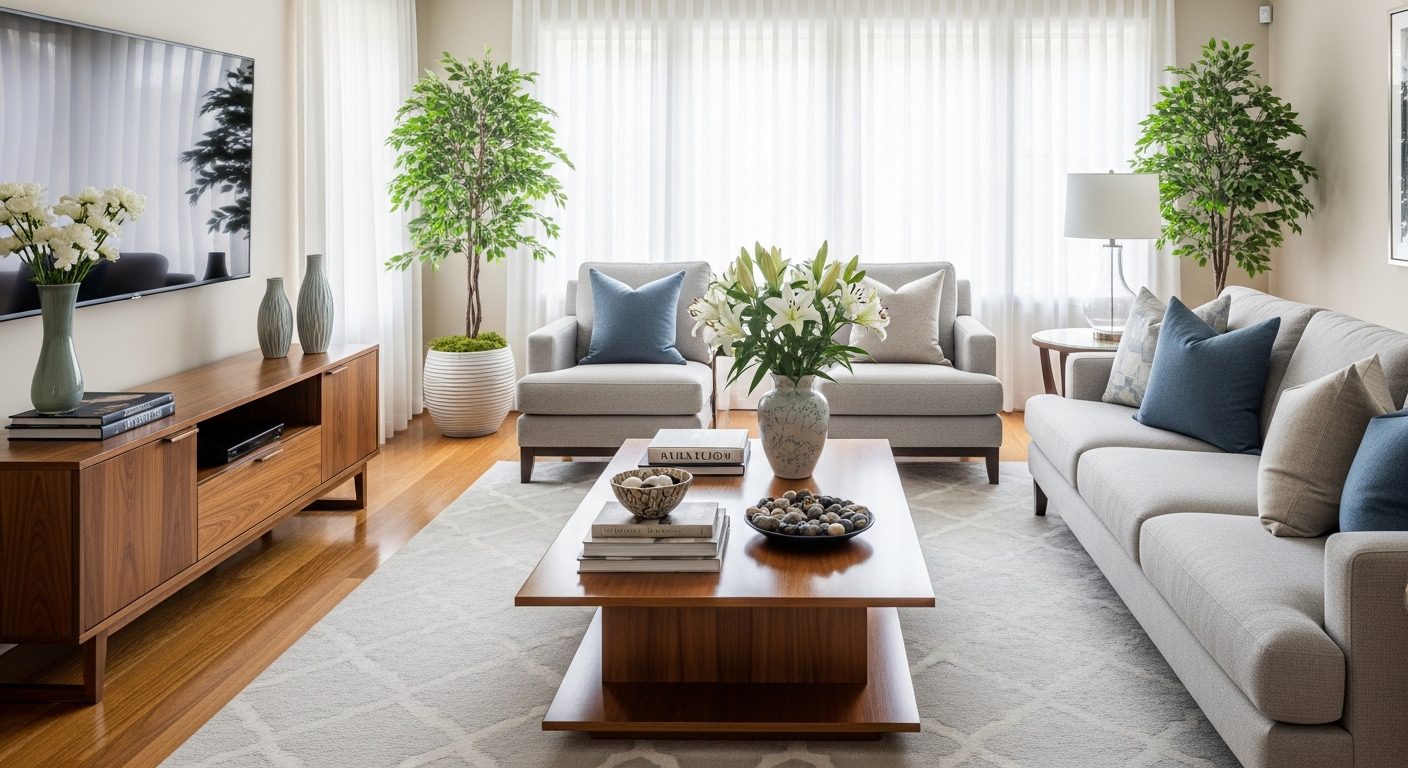
When I think about how to arrange living room furniture, I always start by making the room work for real life first. I like to place the biggest piece, usually the sofa, around the room’s main focal point, then build in enough space for easy walking and comfortable conversation.
A good layout can make even a tricky room feel calmer, bigger, and more inviting. Once I get the flow right, the whole living room starts to feel like a place people actually want to spend time in.
Define Your Living Room Purpose

Before moving any furniture, it’s helpful to really understand what your living room will do for you. Think about what you use the space for, the shape and size you’re working with, and where natural light falls. These details will guide every choice you make about your living room furniture arrangement.
Identifying Main Activities and Needs
Start by asking yourself what you do most in your living room. Is it where you watch TV, read books, hang out with family, or entertain friends? Knowing this helps you figure out what furniture you need and where to place it.
For example, if TV time is key, position seating to face the screen comfortably. If you entertain a lot, plan for enough chairs or a sectional that encourages chatting. Don’t forget to think about storage needs, like shelves or side tables for drinks and snacks.
Write down your top activities and pick furniture pieces that support those moments. This way, your living room stays practical and cozy.
Assessing Room Size and Shape
Your room’s shape and size can make or break your layout plan. A square or rectangular room offers different options than a room with lots of nooks or awkward corners. Measure your space carefully length, width, and even ceiling height.
Use those numbers to scale furniture so your pieces fit well without crowding. In smaller rooms, opt for slim or multi-purpose furniture to keep things open. For large rooms, you have the freedom to create distinct zones for lounging, reading, or games.
Consider how people will move around. You don’t want pathways blocked or furniture too cramped. A well-measured living room gives you a solid foundation for every arrangement.
Spotting Focal Points and Natural Light
Look around your living room for natural focal points. Maybe it’s a fireplace, a big window, or the spot where the TV usually goes. These centers act like the heart of your layout.
Put your main seating, like the sofa, facing that focal point. This will make the room feel more balanced and inviting.
Also, notice where sunlight enters and how it changes during the day. Try to set up reading chairs near bright windows or angle seating so you can soak up some of that natural light. Good lighting makes your space feel cozy and cheerful, even on chilly days.
Taking these small steps makes a huge difference in how your living room feels and works for you.
Basics Of An Inviting Layout

A good living room layout invites you and your guests to relax and connect. Your furniture should feel welcoming without crowding the space or blocking pathways. It’s about placing your sofa, chairs, and tables in ways that make sense for how you use the room, while keeping balance and flow in mind.
Creating Conversation Areas
Start with your seating that’s where the magic happens. Arrange your sofa and chairs so they face each other or form a gentle curve. This makes it easier for everyone to see and talk to each other without needing to turn their heads too much.
Keep the space cozy but easy to move through; leave about 18 to 24 inches between seats for comfort. Adding a coffee table or ottoman in the middle gives everyone a spot to set down drinks or rest their feet.
If your living room is large, create multiple conversation areas using rugs or lighting to define each spot. This way, your space feels connected but not empty or overwhelming.
Mastering Traffic Flow and Space
Think about how people will move around your room. Paths should be clear and wide enough aim for at least 2 to 3 feet of walking space between furniture pieces. Avoid blocking doorways or windows, so the room feels open and airy.
If your living room connects to other spaces, like a kitchen or hallway, keep one side open. This keeps the flow natural and prevents the room from feeling cramped or cluttered.
Using smaller pieces like side tables tucked close to seats or nesting tables can provide function without taking up too much space. Remember, less can be more when it comes to keeping your living room easy to navigate.
Balancing Symmetry and Visual Weight
A balanced room feels calm and pulled-together. Try pairing matching chairs or side tables on either side of your sofa to create visual symmetry. This doesn’t mean everything has to be identical it’s about similar size, shape, or color to keep things harmonious.
If your sofa is heavy or dark, balance it with lighter or smaller chairs across from it. Rugs, artwork, and lamps can also help distribute “weight” evenly.
Symmetry isn’t the only way, though. Mixing asymmetrical elements can feel modern and personal, but keeping the overall balance so one side doesn’t look too crowded or empty is key. Your eyes should move comfortably around the room without stopping awkwardly on one side.
Living Room Furniture Layout Ideas
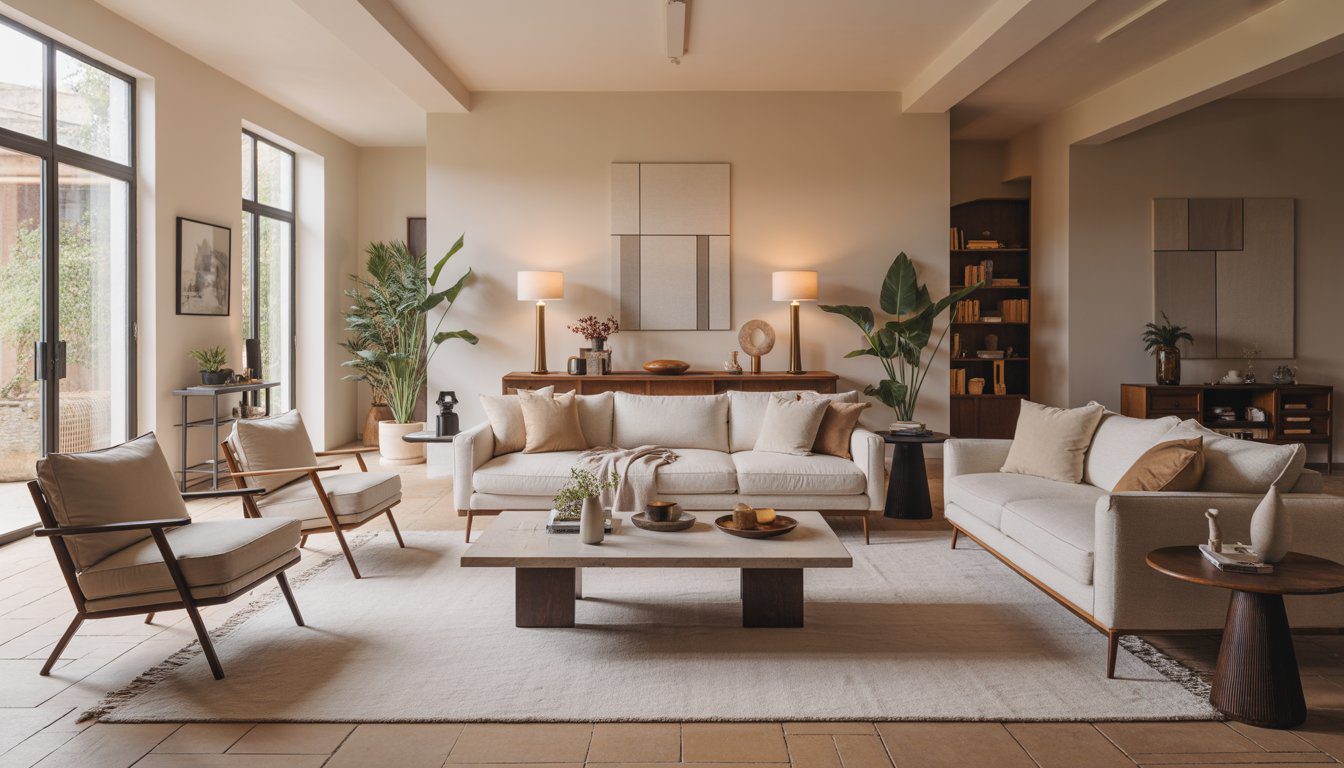
Picking the right furniture and placing it well makes your living room both cozy and practical. Your choices around sofas, chairs, tables, and multipurpose pieces will set the room’s mood and how easily you move through it. With thoughtful selection and positioning, even a small space can feel inviting and balanced.
Choosing and Positioning Sofas and Sectionals
Start with your sofa since it’s usually the biggest piece. For flexible seating, consider an L-shaped sectional or a curved sofa to create a natural flow and cozy corners. If you like conversation spots, try positioning two sofas opposite each other. This sets up a welcoming area but may challenge TV viewing, so balance seating based on how you use the room.
If your living room is small, a low-profile sectional sofa tucked inward from the walls opens up walking space. Avoid blocking windows with your sofa to let light pour in freely. For bigger rooms, floating sofas allow you to define different zones without crowding walls.
Arranging Chairs, Benches, and Alternative Seating
Add chairs or benches to fill out your space without cluttering. Place a pair of chairs across from your sofa for balance it’s great for both relaxed and formal vibes. A narrow bench offers flexible seating and doubles as a footrest or table in a pinch.
Swivel chairs are surprisingly handy when your room has multiple focal points, like a fireplace and TV. They let you turn easily and join conversations anywhere in the room. Pull lightweight chairs into the center when guests come over, then slide them back to maintain clear walkways.
Smart Coffee Table Placement and Style
Your coffee table should fit the space and be easy to reach. Keep it about 18 inches from the sofa so you don’t have to stretch. If your room sees a lot of action, choose an oval or round coffee table to avoid sharp corners that get in the way.
A large coffee table works well in spacious setups, anchoring the seating area and giving plenty of surface for drinks, books, or decor. For a mid-century modern look, a sleek, simple table works beautifully without overwhelming your layout. If space is tight, an ottoman can double as both a coffee table and extra seating.
Integrating Multifunctional and Space-Saving Pieces
Multifunctional furniture makes the most of your space and budget. Ottomans with storage let you hide blankets or games while providing a comfy footrest. Think about floating furniture items that keep the floor mostly clear, like wall-mounted shelves or tables, which keep your room feeling open.
Pull-out sofas or modular pieces give you options for guests or changing the layout. If you love a clean, minimal style, choose low-profile furniture with simple lines. This keeps the room airy and helps your carefully chosen pieces stand out without fuss.
Finishing Touches For Living Rooms

Bringing your living room together means thinking beyond just furniture. How you light the space, layer in rugs, and add personal touches can make your room feel warm, inviting, and truly yours. These details help create cozy spots, define open areas, and add texture and personality without overwhelming your budget.
Layering Lighting for Warmth and Ambiance
Good lighting changes everything. Start with a mix of sources like floor lamps, wall sconces, and table lamps to create layers of light. Think of floor lamps next to your sofa to brighten the space without harsh overhead glare. Wall sconces add style and free up tabletop space, especially in an open-concept living room where you want to keep things airy.
Dimmers are your best friend. Being able to adjust brightness helps set mood and suits different times of day. Aim for warm bulbs with soft light to make your living room feel cozy, perfect for a chill evening or curling up with a book in a reading nook. Even simple changes like swapping out harsh bulbs can upgrade your entire vibe.
Using Rugs to Define and Soften Spaces
Rugs do more than look nice they anchor your furniture and bring warmth underfoot. In an open-concept living room, a well-placed rug defines your seating area so it doesn’t feel just like empty floor. Choose a rug size that fits under the furniture or at least the front legs of your sofa and chairs to create a clear zone.
Think about texture and color. A soft, neutral rug adds comfort without overpowering, while a patterned rug can introduce personality and hide wear. Layer rugs if you like; a smaller, textured rug layered on a larger one adds depth and interest. Rugs also help absorb sound and soften footsteps, making your living room feel more intimate and less echoey.
FAQ’s About My How To Arrange Living Room Furniture
How Do I Start Figuring Out How To Arrange Living Room Furniture?
I start with the room’s focal point, then use the living room dimensions layout, sofa arrangement living room, and furniture placement living room ideas to shape the space around real traffic flow.
What Layout Works Best For A Long Or Awkward Living Room?
A long rectangle living room layout or awkward living room layout usually works best when furniture is grouped into clear zones with open pathways and balanced seating.
How Should Furniture Be Arranged Around A TV Or Fireplace?
A smart living room layout with fireplace or TV setup works best when the main seating faces the focal point while side chairs and tables keep the room comfortable without crowding it.
Adding Cozy Nooks and Decorative Details
Personal style turns a room from pretty to homey. Use your space to create a cozy reading nook with a comfy chair, a small side table, and good lighting like a floor lamp you can adjust. Add throw pillows and blankets for extra comfort and texture. These little corners invite relaxation and make your living room feel lived-in.
Decorative details like framed photos, vintage finds, or quirky accessories bring warmth and authenticity. You don’t need expensive art try thrift shops or handmade pieces to keep things unique and budget-friendly. Group accessories in odd numbers to keep displays natural. These touches tell your story and make your room a reflection of you.

Willie Drew
I’m Willie Drew, and I’m here to help you turn your home into a space you’re proud to show off using simple projects, smart tools, and realistic budgets.